
Model selection
Translate footprint, traffic, package size, refill cadence, and budget into a defensible shortlist.
Support can start with one model recommendation or extend into site planning, setup, stocking systems, training, and a defined managed arrangement where available.
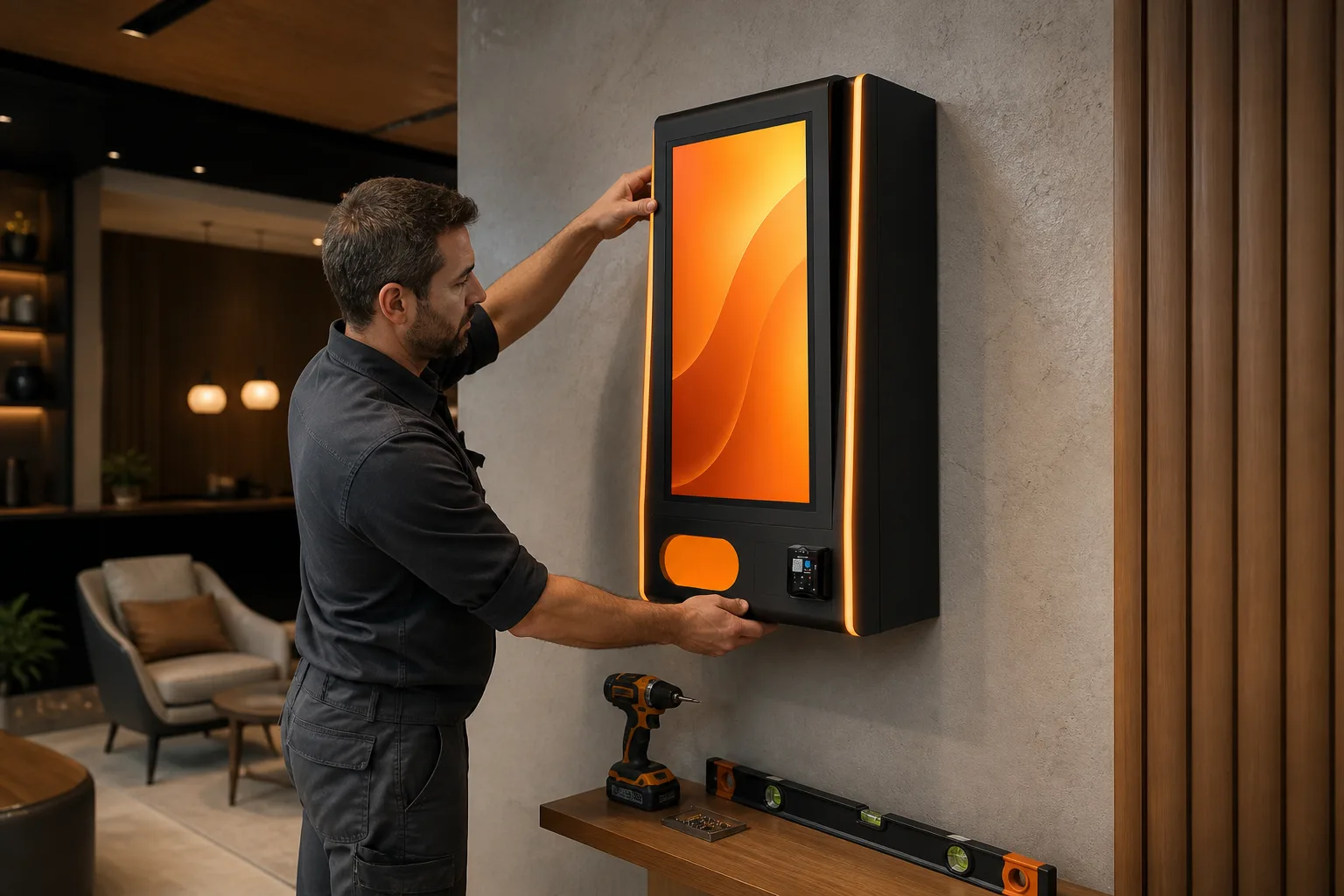
Availability, geography, frequency, responsibility, and pricing are confirmed in writing before work begins.
Translate footprint, traffic, package size, refill cadence, and budget into a defensible shortlist.
Plan wall or floor conditions, power, connectivity, access, delivery path, anchoring, and service clearance.
Review payment, eligible age-verification hardware, coil sizing, branding, and compatible accessories.
Define delivery, labor, mounting, placement, power-up, testing, and acceptance responsibilities.
Set the initial planogram, pricing, remote tools, refill routine, escalation path, and first-week checks.
Discuss replenishment, inventory review, route cadence, and machine oversight for qualified opportunities.
The public catalog remains the baseline. A service proposal should add a defined scope, cadence, geography, exclusions, and price—never blur those costs into the hardware.
View machine pricesShare the location, space, access, product packages, ownership model, and timing.
Separate hardware, freight, install, training, stocking, and ongoing responsibilities.
Agree to deliverables, assumptions, schedule, exclusions, and escalation points.
Launch against a checklist, then adjust from actual sales and inventory signals.
The retailer and venue remain responsible for eligible access, permits, warnings, lawful products, age-verification procedures, privacy, and state and local requirements unless a written agreement lawfully allocates a specific task. Get qualified legal advice for the intended operation.
Read the compliance overview →