
$3,375–$7,250
Base prices for the nine machine models, before eligible configurations and accessories.
See the full cost breakdownCompare nine machines from $3,375, see the wall-mounted and floor-standing options, then use the location, package dimensions, refill plan, and legal context to choose responsibly.
Texas-based U.S. business · Reviewed August 21, 2026 · 12-minute read
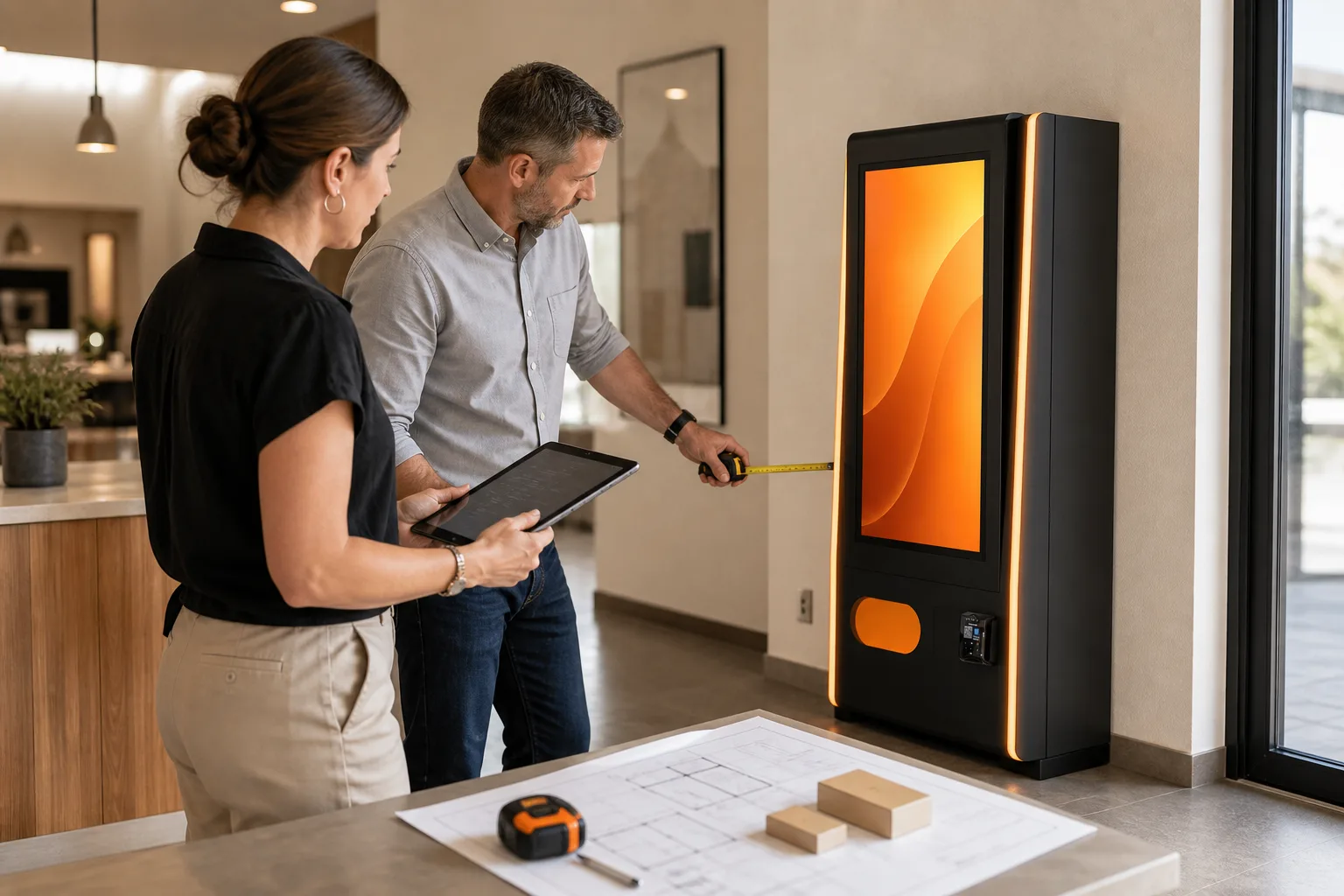
Prices are public. The best model still depends on the wall or floor space, intended packages, refill cadence, and venue rules.
Base prices for the nine machine models, before eligible configurations and accessories.
See the full cost breakdownSix wall-machine listings cover compact footprints, 32-inch screens, LED visibility, and deeper capacity.
Compare wall-mounted modelsEvery product page shows price, dimensions, capacity, lead time, eligible options, shipping context, and checkout.
Shop all nine machinesThese are general-purpose smart vending machines that can be configured for compatible vape products where lawful, or for other packaged merchandise.
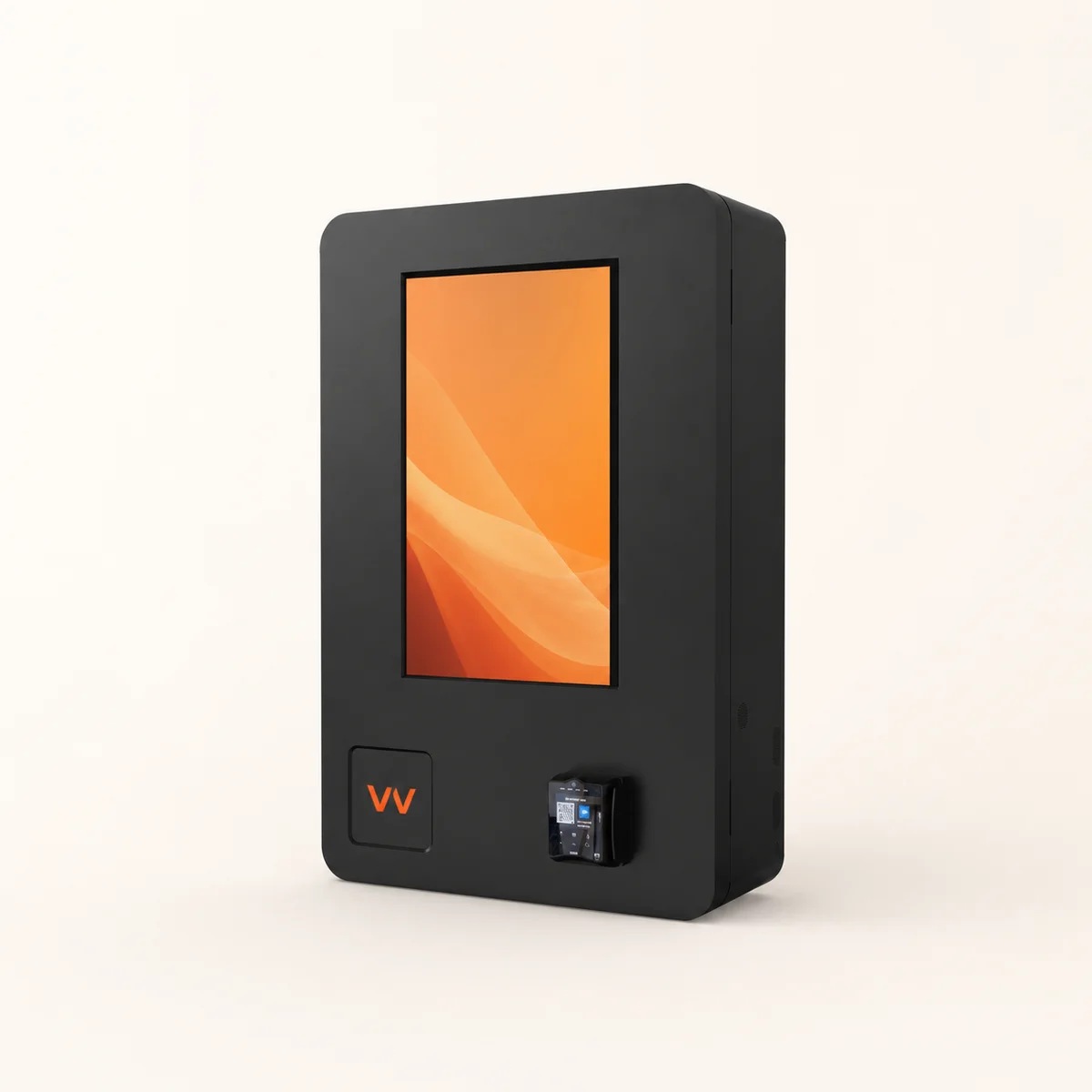
A slim, wall-mounted smart machine for bars, lounges, retail counters, and other space-conscious placements.
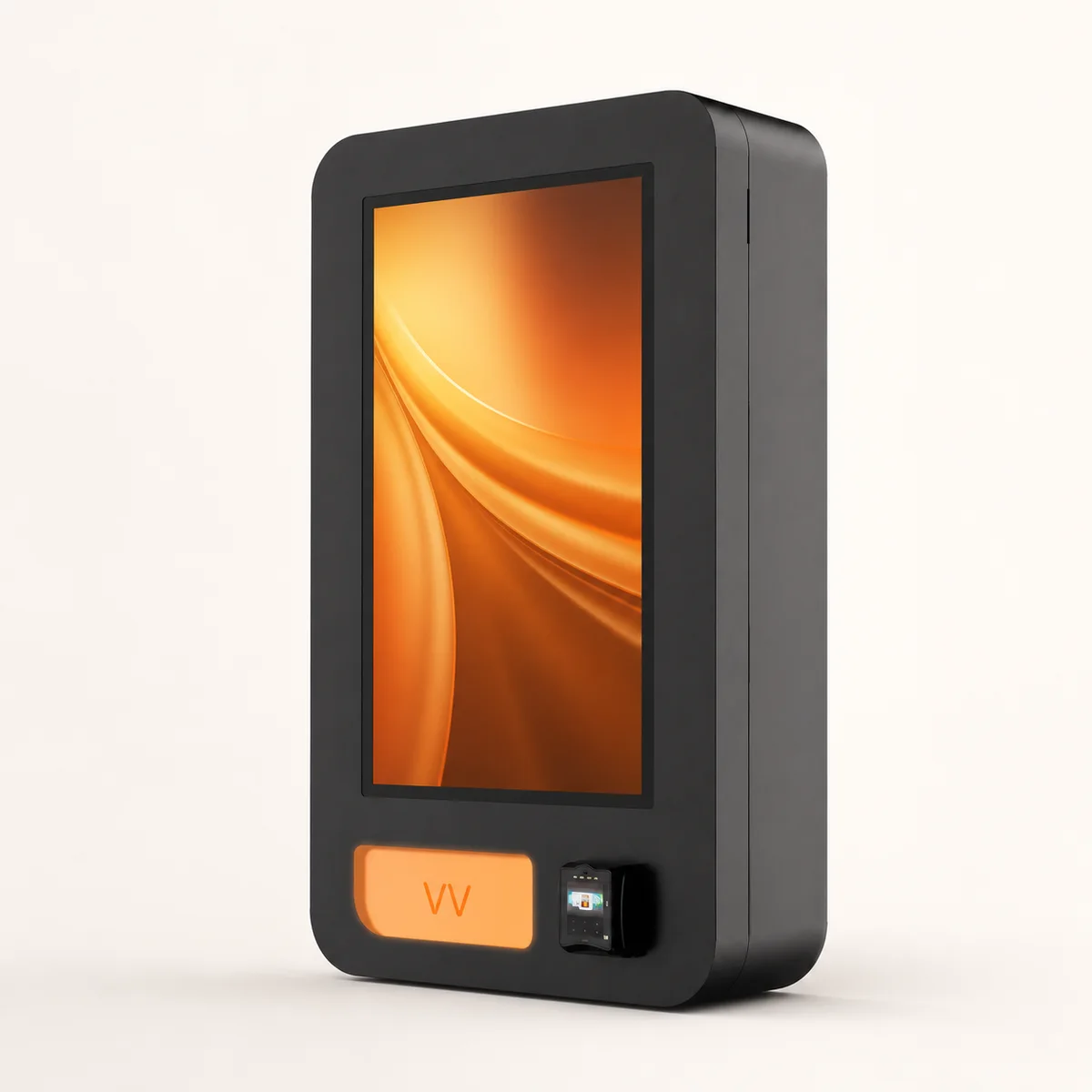
A full-size 32-inch touchscreen platform with a clean enclosure and flexible capacity for high-visibility indoor placements.
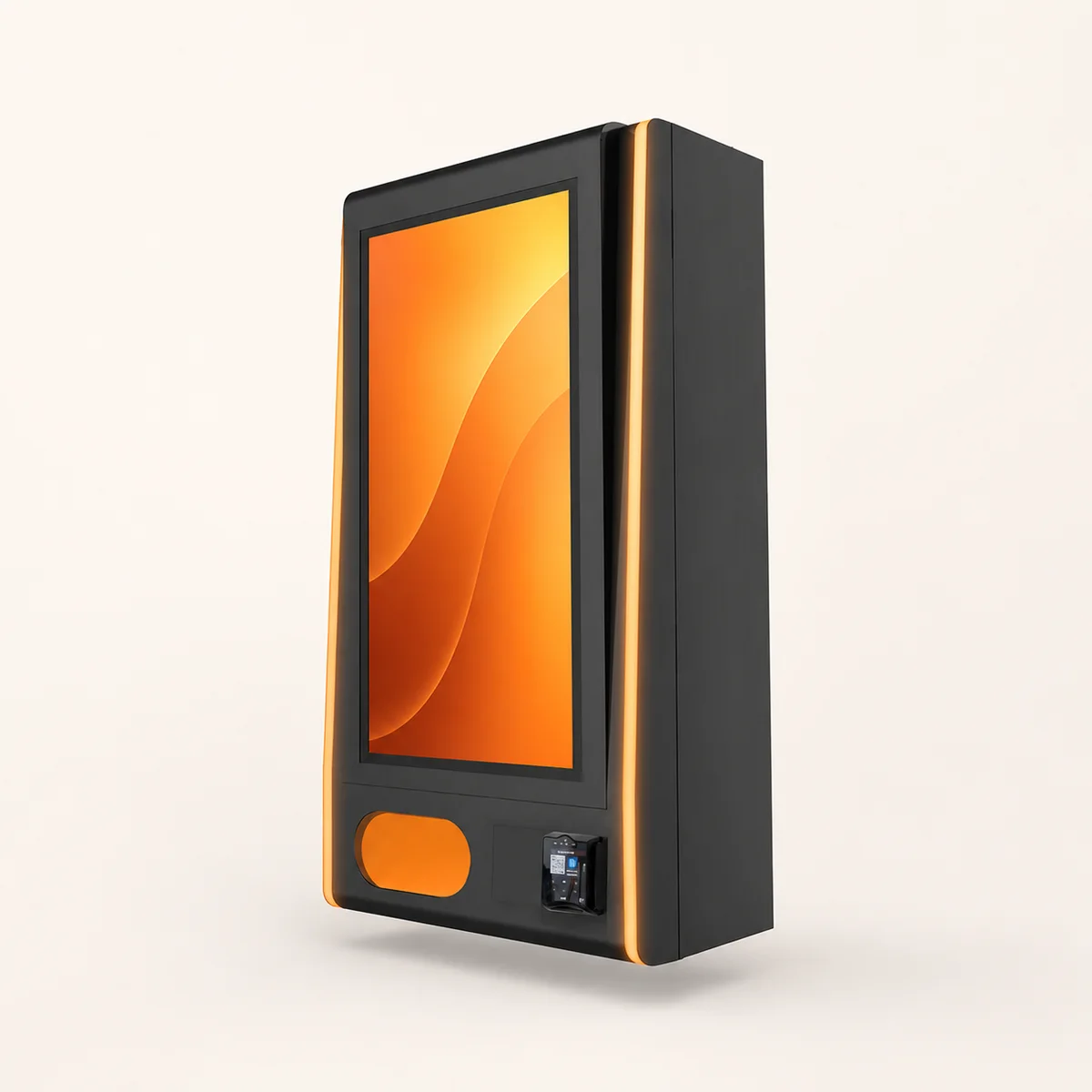
A 32-inch wall machine with controllable edge lighting for venues that want the machine to work as both retail and visual signage.
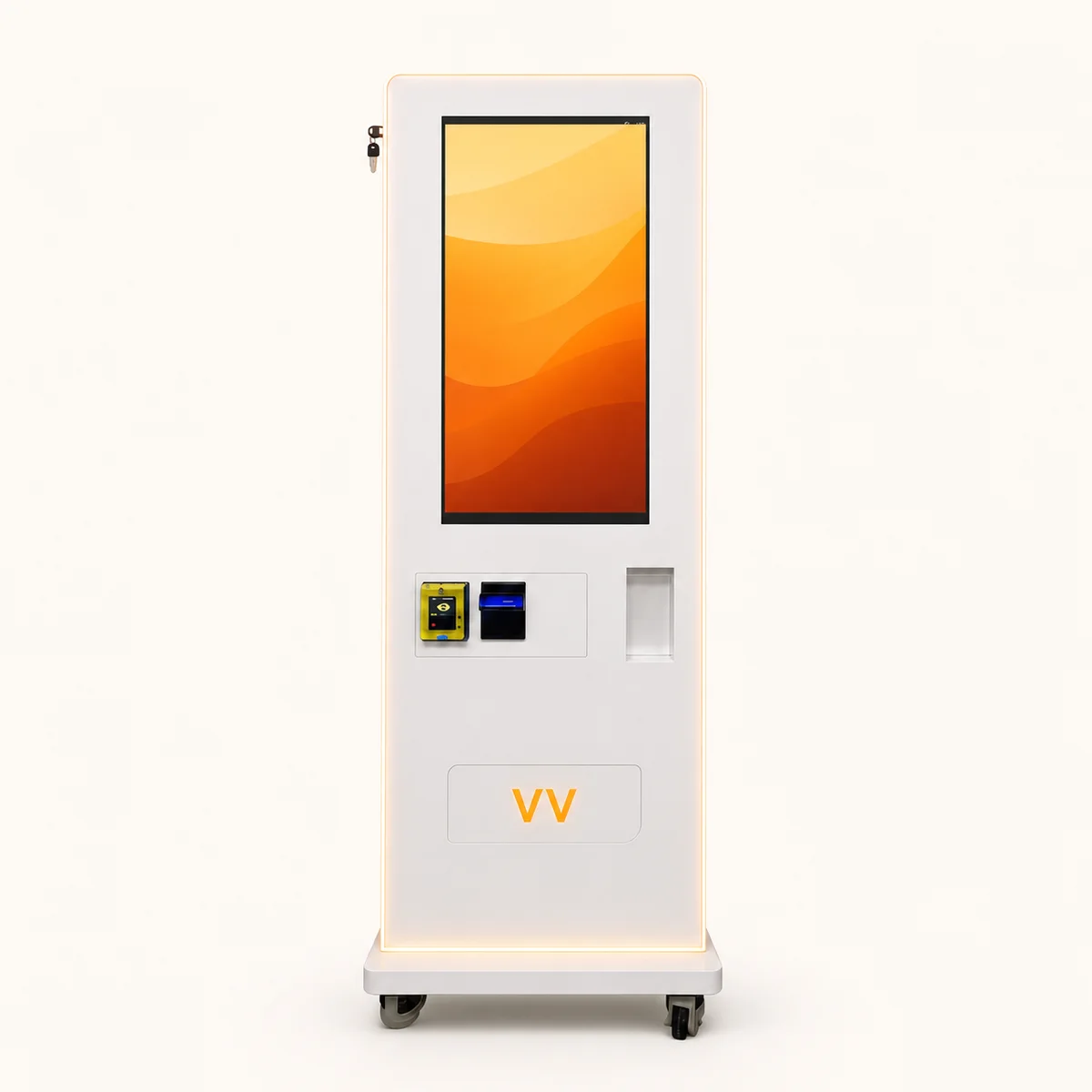
A mobile, floor-standing 32-inch machine with a large cabinet and strong capacity for open-floor retail and hospitality layouts.
VapeVendy’s current public vape vending machine prices run from $3,375 to $7,250. Compact wall machines start at the bottom of that range; larger floor, weather-resistant, and specialized retail formats cost more. For a model-by-model worksheet, see the dedicated vape vending machine cost and price guide.
| Cost layer | Published planning amount | What changes it |
|---|---|---|
| Machine | $3,375–$7,250 | Cabinet, screen, capacity, mounting, and environment |
| ID-scanner configuration | +$312.50 on eligible models | Model compatibility and operating requirements |
| Bill acceptor | +$312.50 on eligible models | Model compatibility and cash-handling plan |
| Custom wrap | $250 | Artwork readiness and final coverage |
| Extended warranty | $250 | Coverage terms |
| Pedestal stand | $1,000 | Machine compatibility |
The AI Smart Cooler has a published $50/month software fee. Payment processing, inventory, venue share, labor, insurance, permits, connectivity, and specialty delivery may also affect the operating model.
Best when floor space is scarce. Compare cabinet depth, wall structure, installation height, and service access—not only screen size. VapeVendy’s Compact Wall 21 and Mini Wall 15 both start at $3,375.
These prioritize visibility and selling-screen area. The Pro offers the lowest 32-inch entry price, the LED model adds perimeter lighting, and the XL adds cabinet depth and capacity.
A floor cabinet works when wall mounting is unavailable, but it consumes circulation space and changes delivery, anchoring, and tip-safety planning. The Free-Standing 32 has the catalog’s highest conventional capacity range.
Outdoor or semi-exposed placement needs a site-specific power, weather, temperature, drainage, enclosure, anchoring, and access review. Smart coolers suit refrigerated grab-and-go retail and use a different customer flow from coil vending.
Open the full nine-model comparison table or compare only the wall-mounted vape vending machines.
A statement such as “holds 160 products” is incomplete without package dimensions and coil spacing. Wider disposable packages, presentation choices, and reliable dispensing can reduce the theoretical count. Before production, list the height, width, depth, weight, and packaging material for every intended item.
Practical rule: model capacity from the largest package you expect to sell, then use smaller packages as flexibility—not the other way around.
A good site review covers usable dimensions, customer circulation, wall construction or floor level, power outlet, signal strength, delivery path, door widths, loading access, service clearance, lighting, cameras, environmental exposure, and who controls the space.
For age-restricted products, venue eligibility is a separate gate. Traffic does not compensate for an ineligible access policy.
An eligible scanner can support photographic-ID review and an operating audit trail. It does not turn a mixed-age restaurant, hotel lobby, apartment common area, or general retailer into an eligible self-service tobacco location.
Federal rules restrict self-service tobacco and vape vending to facilities where the retailer ensures no person under 21 is present or permitted to enter at any time. Retailers must also satisfy applicable ID-check, product, advertising, warning, privacy, permit, state, and local requirements. Read the age-verification and compliance overview for official sources.
Gross revenue is sales count multiplied by average sale. It is not profit. Deduct inventory cost, card fees, venue share, software, route labor, shrinkage, refunds, insurance, permits, taxes absorbed in price, and other recurring expenses before calculating payback.
Use the VapeVendy profit calculator to keep those assumptions separate.
Send VapeVendy the location and shortlist if you want a second set of eyes.
These answers are general planning guidance, not legal advice or a substitute for model-specific documentation.
VapeVendy currently lists conventional and smart-cooler hardware from $3,375 to $7,250 before optional configurations. Eligible ID-scanner and bill-acceptor configurations add $312.50 each.
Choose from the location constraints outward. Measure usable width, height, depth, service clearance, delivery access, and mounting conditions; then compare row count, package fit, expected refill cadence, and visibility.
No. Under federal rules, self-service tobacco and vape vending is limited to facilities where no person under 21 is present or permitted to enter at any time. State and local rules may be stricter.
No. Age-verification hardware can support the retailer’s procedure, but it does not replace controlled venue access, required permits, warnings, lawful products, privacy duties, or legal review.
VapeVendy conventional-machine planning ranges run from roughly 54 to 336 items. Actual capacity depends on package dimensions, coil selection, spacing, and planogram.
Verify the venue’s age access, local rules, intended products, electrical and connectivity needs, wall or floor conditions, delivery path, service clearance, package dimensions, responsibility split, and realistic operating assumptions.